
Understanding website design cost is an important first step when planning a new business website or redesigning an existing one. The total price depends on your website’s purpose, number of pages, design requirements, functionality, and ongoing support needs.
The truth is, this depends largely on what precisely the website is required to do – a landing page with several pages will have significantly different cost considerations than an online store with a booking system or another custom web application. Other factors affecting the final price tag include your designer’s location, the volume of content, and the extent of your support needs.
This article addresses what is included in the price of website design, what distinguishes design from development, and what questions to ask before requesting a quote. It should provide prospective website owners with enough information to plan their own project within a realistic budget.
Quick answer: There is no set rate for small business website development. It all depends on what exactly you need the website to do – a simple page with several pieces of information and a contact form will typically be significantly cheaper than an end-to-end solution with extensive customizations and a unique content management system. Use this article as a guideline for comparing prices between different providers.
What is included in the cost of website design?
There is often a conflation between the design and development of a website, but they are two distinct processes. Generally speaking, website design entails planning the online presence’s structure, navigation, and appearance, whereas development refers to coding and launching the final product. Naturally, depending on the provider, the two may be bundled together.
A rough estimate of costs would include consultations, discovery, planning and designing individual pages, development and launch, mobile design, contact forms, fundamental SEO optimization, and testing and maintenance. It is also worth noting that some companies offer web design and development services for an hourly rate, whereas others charge a flat rate per page or per site.
Furthermore, some providers include copywriting, photography, hosting, and customer support, whereas others charge extra for these services. Therefore, when comparing costs between different website agencies, it is crucial to bear in mind precisely what is and is not included in the offer.
Small business website cost: common project categories
There is no standard small business website cost, as it depends on dozens of variables, including the website’s intended purpose, the degree of customization, the page count, and more. The following is a general guideline for the three most common categories in terms of website design cost:

- Basic website: A few pages with standard information, a contact form, and a responsive layout. This is often the simplest option for a new business or solo professional.
- Growing business website: More pages, a stronger brand-led design, service or location pages, a blog, and features such as lead forms or appointment requests.
- E-commerce or custom-functionality website: Product listings, payments, booking systems, member areas, integrations, or other functionality that requires additional setup and testing.
The wider industry benchmarks show why a single average can be hard to apply to your project. For example, Clutch’s web design pricing guide reports that projects vary substantially by scope and that most reviewed projects cost less than $10,000, while larger or more complex engagements can cost considerably more. Its figures reflect projects in its own database, not a universal small-business price.
A useful estimate starts with what your website needs to accomplish: explain your services, generate inquiries, accept bookings, sell products, or support existing customers. Once that goal is clear, you can prioritize the pages and features that matter most.
What Affects Website Design Cost?
1. Number of pages and project scope
A five-page site typically takes less planning and production than a site with dozens of service, location, product, or resource pages. More pages can mean more layouts, content, navigation decisions, and review time.
The scope also includes what happens behind the scenes. A straightforward contact form is different from a booking workflow that connects to a calendar and sends automated notifications. Listing every required page and feature helps a provider estimate the work more accurately.
2. Custom design and branding
A template-based site can be an efficient choice when your needs are straightforward. A custom design may involve more discovery, original layouts, brand-specific graphics, and additional review rounds. That extra work can make the site feel more distinctive and better suited to your customers, but it usually affects the budget.
Custom design does not automatically mean a site will perform better. The right choice depends on whether a template can support your content, brand, and customer journey without unnecessary compromises.
3. Content and copywriting
Your website needs more than attractive pages. Visitors need clear information about what you offer, who it’s for, and how to take the next step. If you provide polished copy, images, and product details, the project may need less content-production time.
If the designer is expected to write or edit the copy, organize supplied information, source images, or create product descriptions, ask whether that work is included. Content often takes longer than clients expect, so it’s helpful to assign an owner and timeline for it early.
4. Features and integrations
Every additional function brings design, development, and testing work. Common examples include online payments, appointment scheduling, customer portals, event calendars, inventory tools, and connections to email marketing or customer-management software.
Prioritize features by asking what visitors need to do and what your team needs to manage. A useful first version may not require every feature you can imagine. Starting with essentials can help keep small business website cost manageable while leaving room to expand later.
5. Mobile experience, accessibility, and testing
A site should work well on phones as well as desktop screens. The team may need to adjust page layouts, images, menus, and forms for different screen sizes and test key journeys before launch.
Accessibility also deserves attention during planning, not as an afterthought. The W3C Web Accessibility Initiative explains the Web Content Accessibility Guidelines (WCAG), which provide guidance for making web content more accessible. The specific work and level of conformance should be discussed with your provider; avoid assuming that a particular checklist or automated scan guarantees accessibility.
6. Designer location and experience
Rates differ by location, experience, and the type of provider you hire. A freelancer, small studio, and large agency may have different processes and team structures. Clutch’s location and hourly-rate data illustrates that regional pricing can differ, but hourly rates alone don’t tell you the total project cost or what you’ll receive.
Compare providers on relevant work, communication, project approach, and deliverables as well as price. A clear process can help avoid surprises during the project.
Website design cost versus website development cost
These terms are often used together, but they describe different parts of the work. Website design cost generally covers planning the site’s appearance and user experience. Website development cost covers building those designs into a functioning website, connecting features, and preparing it for launch.

Some providers combine design and development into one fixed project fee. Others separate them, especially when different specialists handle each stage. For a quote that’s easy to compare, ask whether it includes:
- Page planning and visual design
- Mobile layouts
- Development and content upload
- Forms, payments, or other requested features
- Testing and launch support
- Training or handover
- A defined number of revision rounds
Also ask what would count as a change to the agreed scope. A written proposal that spells out deliverables, timing, and assumptions makes it easier to understand what a quoted website development cost covers.
What Ongoing Website Costs Should You Budget For?
The initial build is only part of the total cost of owning a website. Depending on your platform and setup, recurring or occasional expenses may include:
- Domain registration and hosting
- Paid themes, extensions, or software subscriptions
- Security, backups, and software updates
- Content changes and technical support
- Payment processing fees for an online store
Some business owners handle routine updates themselves; others prefer a maintenance plan. Before launch, ask which tasks are your responsibility, how support is requested, and whether ongoing work is billed hourly or through a monthly agreement. Then include those costs in your budget.
How to plan a realistic website design cost?
Start with the outcome you want from the site. For example, a service business may want more qualified inquiries, while a retailer may need a reliable way to sell and manage products online. That goal helps you identify the pages and functions to prioritize.
Next, prepare a short project brief. Include your audience, goals, existing branding, required pages, must-have features, examples of sites you like, and your preferred launch timing. You don’t need to know every technical detail. A good provider can help you work through those decisions.
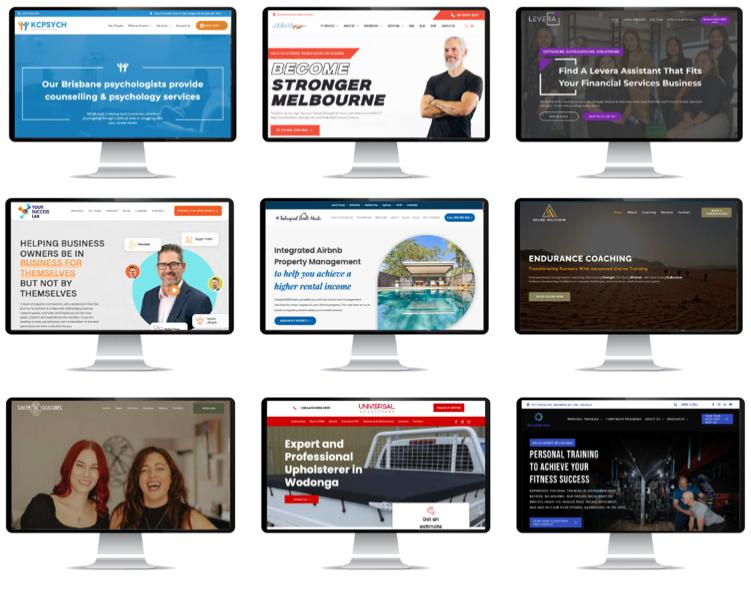
When comparing proposals, check that each one covers the same scope. A low quote may exclude content, testing, or support; a higher quote may include work you don’t need yet. Ask questions before you sign, and request a clear breakdown of any optional services.
Google’s guidance on creating helpful, reliable, people-first content is also useful when planning what your site should say. It encourages content that serves visitors and demonstrates experience and expertise. For business owners, that means giving customers accurate, useful information rather than filling pages with generic claims.
Questions to ask before hiring a web designer
A short conversation can reveal whether a provider’s approach fits your needs. Consider asking:
- What deliverables are included in the estimate?
- Who is responsible for writing and supplying content?
- How are design revisions handled?
- What tools, platform, and recurring subscriptions will the site use?
- Who will own the domain, hosting account, and website files?
- What support is available after launch?
- How will we check that the finished site works on mobile and that its key features function correctly?
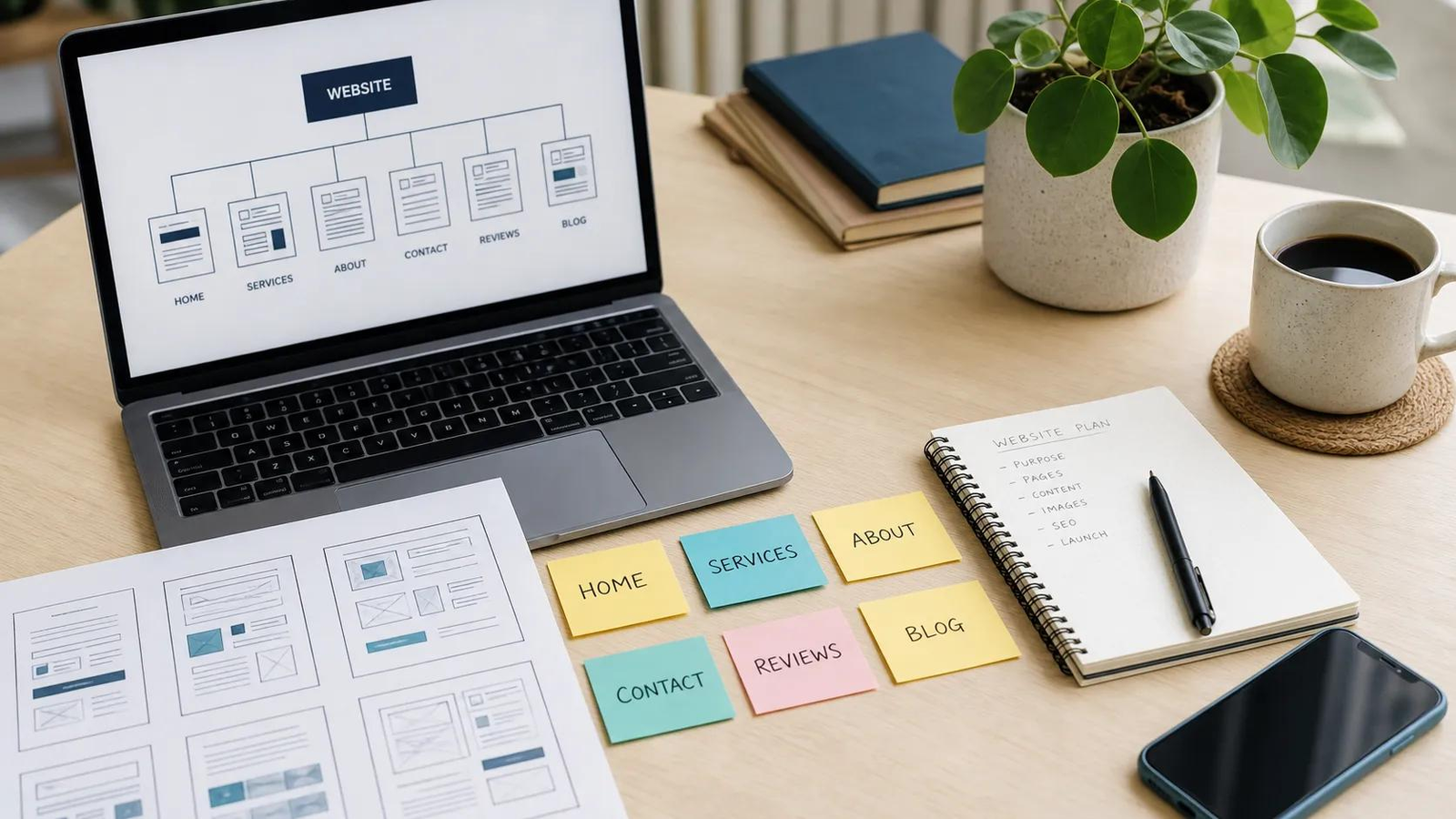
Clear answers help you understand the value behind the price and plan for the website’s ongoing needs.
Is a more expensive website always better?
Not necessarily. A website should be designed around your business goals and customers, not the largest possible feature list. A simple site can be a good fit when it clearly explains your services and makes it easy to get in touch. A more involved build can be worthwhile when specialized functionality supports real business needs.
Think of your website as something you can improve over time. Launch with a strong foundation, see how customers use it, and invest in additional features when there is a clear reason to do so.
Plan your website project with confidence
Understanding website design cost starts with understanding the work behind the estimate. Page count, content, custom features, location, and future support all shape the final price. With a clear project brief and a detailed proposal, you can compare options and choose a site that fits your current priorities.
If you’re planning a new site or redesign, book a website design consultation with Carlsson Studio. Bring your goals, rough page list, and questions, and start shaping a practical plan for your business.
Not sure which features to prioritize? Get in touch with Carlsson Studio to discuss your scope and the factors that may affect your project estimate.
Ready to move from planning to a clear next step? Schedule a consultation to talk through your website goals and options.